
Graphene, a single layer of carbon atoms arranged in a hexagonal lattice, represents one of the most extraordinary materials ever discovered. Its unique properties are reshaping industries and promising revolutionary advancements across technology, medicine, energy, and infrastructure.

Since its isolation in 2004 by Andre Geim and Konstantin Novoselov, who later received the Nobel Prize for their groundbreaking work, graphene has captivated scientists and innovators worldwide. This remarkable material combines unprecedented strength with exceptional conductivity, flexibility, and lightness, creating possibilities that seemed like science fiction just decades ago.
🔬 Understanding Graphene’s Extraordinary Properties
Graphene’s atomic structure gives it characteristics that surpass virtually all other known materials. At just one atom thick, it is the thinnest material in existence, yet it demonstrates strength approximately 200 times greater than steel. This paradoxical combination of delicacy and durability forms the foundation for countless innovative applications.
The electrical conductivity of graphene exceeds that of copper, while its thermal conductivity outperforms diamond. Electrons move through graphene with minimal resistance, traveling at speeds approaching one percent of the speed of light. This exceptional electron mobility makes graphene ideal for next-generation electronic devices requiring rapid data processing and minimal energy consumption.
Additionally, graphene exhibits remarkable flexibility, capable of stretching up to 20 percent of its original length without breaking. Its optical properties are equally impressive, absorbing only 2.3 percent of visible light while remaining essentially transparent. These characteristics position graphene as a transformative material for flexible electronics, touchscreens, and solar technologies.
⚡ Transforming Energy Storage and Generation
The energy sector stands to benefit enormously from graphene-based innovations. Traditional lithium-ion batteries face limitations in charging speed, capacity, and longevity. Graphene-enhanced batteries address these challenges by significantly improving electrical conductivity and creating larger surface areas for ion storage.
Researchers have developed graphene-based supercapacitors that charge in seconds rather than hours and maintain performance through hundreds of thousands of charge cycles. These advances could revolutionize electric vehicles, making them as convenient as traditional automobiles while extending their operational range. The automotive industry is actively investing in graphene battery technology to overcome current limitations in electric mobility.
Solar Energy Applications
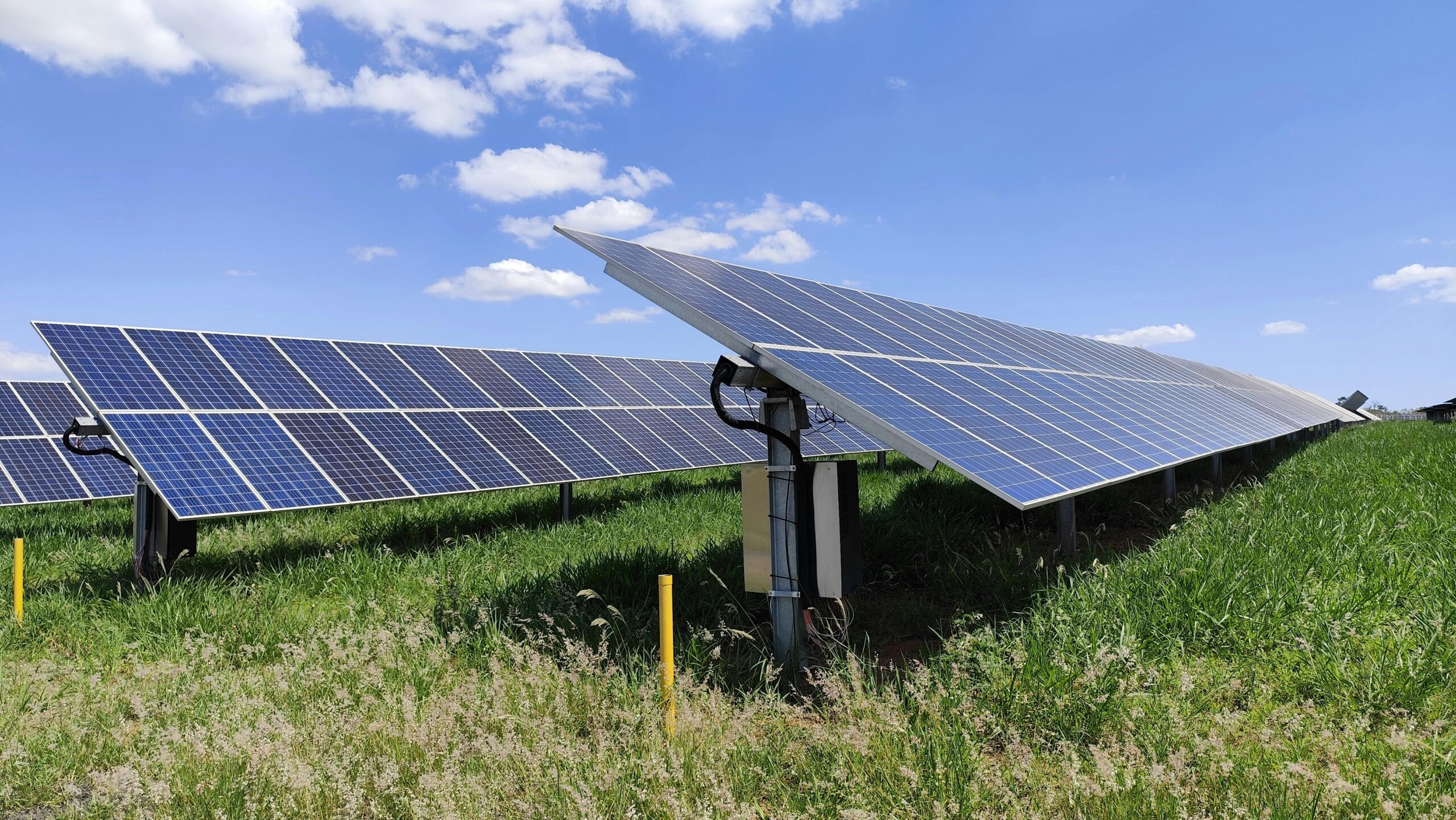
Graphene’s transparency and conductivity make it perfect for next-generation solar cells. Traditional silicon-based solar panels have efficiency limitations and manufacturing costs that graphene could help overcome. Graphene-enhanced solar cells demonstrate improved light absorption and electron transport, potentially increasing conversion efficiency while reducing production expenses.
Scientists are developing flexible, lightweight solar panels using graphene that can be integrated into building materials, clothing, and portable devices. This innovation could democratize solar energy access, making renewable power generation possible in contexts where traditional panels are impractical or impossible to install.
💻 Revolutionizing Electronics and Computing
The electronics industry faces a critical challenge as silicon-based transistors approach their physical limits. Graphene offers a promising alternative for continuing the advancement of computing power. Its superior electron mobility enables the creation of transistors that operate at higher frequencies while consuming less energy.
Graphene-based processors could operate at terahertz frequencies, thousands of times faster than current silicon chips. This quantum leap in processing speed would enable artificial intelligence systems, quantum computing applications, and data centers to operate with unprecedented efficiency. Major technology companies are investing billions in graphene research to secure competitive advantages in next-generation computing.
Flexible and Wearable Technology
The flexibility of graphene opens entirely new categories of electronic devices. Imagine smartphones that fold into pocket-sized squares, tablets that roll up like newspapers, or wearable health monitors seamlessly integrated into clothing. Graphene makes all these scenarios technically feasible.
Researchers have created graphene-based sensors so sensitive they can detect individual molecules. These sensors enable wearable devices that continuously monitor health metrics including glucose levels, heart rhythm irregularities, and early disease markers. Such technology could transform healthcare from reactive treatment to proactive prevention.
🏗️ Strengthening Infrastructure and Construction
Adding small amounts of graphene to concrete creates a composite material with dramatically enhanced properties. Graphene-reinforced concrete demonstrates increased compressive strength, improved durability, and resistance to water penetration. These improvements extend the lifespan of structures while reducing material requirements and environmental impact.
The construction industry contributes significantly to global carbon emissions, primarily through cement production. Graphene-enhanced concrete requires less cement to achieve superior performance, potentially reducing the industry’s carbon footprint by substantial margins. Several pilot projects worldwide are testing graphene concrete in real-world applications, from bridges to residential buildings.
Advanced Coatings and Corrosion Protection
Graphene coatings provide exceptional protection against corrosion, oxidation, and environmental degradation. A single layer of graphene creates an impermeable barrier that prevents moisture and corrosive agents from reaching underlying materials. This property has applications in maritime infrastructure, pipelines, vehicles, and industrial equipment.
The aerospace industry is particularly interested in graphene coatings for aircraft components. The combination of corrosion resistance, light weight, and strength makes graphene ideal for reducing maintenance requirements and extending the operational life of expensive aerospace structures.
💊 Advancing Medical Technologies and Healthcare
Graphene’s biocompatibility and unique properties are opening revolutionary possibilities in medicine. Researchers are developing graphene-based drug delivery systems that can target specific cells or tissues with unprecedented precision. These systems could revolutionize cancer treatment by delivering chemotherapy directly to tumor cells while sparing healthy tissue.
Graphene biosensors demonstrate remarkable sensitivity for detecting disease biomarkers at extremely low concentrations. Early detection capabilities could identify cancers, infections, and other conditions before symptoms appear, dramatically improving treatment outcomes. These sensors can be integrated into portable devices, making advanced diagnostics accessible in resource-limited settings.
Neural Interfaces and Prosthetics
The conductivity and flexibility of graphene make it ideal for interfacing with biological neural networks. Scientists are developing graphene-based electrodes for brain-computer interfaces that could restore mobility to paralyzed individuals or provide new treatment options for neurological disorders.
Graphene-enhanced prosthetics incorporate sensors that detect nerve signals with greater accuracy than existing technologies. This sensitivity enables prosthetic limbs that respond to user intentions more naturally, improving functionality and quality of life for amputees. The biocompatibility of graphene also reduces the risk of immune rejection and inflammation.
🌊 Environmental Applications and Water Purification
Access to clean water represents one of humanity’s most pressing challenges. Graphene oxide membranes demonstrate exceptional filtration capabilities, removing contaminants, salts, and even individual molecules from water. These membranes could make desalination economically viable and energy-efficient, addressing water scarcity in coastal regions.
Graphene filters remove heavy metals, bacteria, viruses, and organic pollutants from contaminated water sources. The material’s large surface area and chemical properties enable filtration systems that operate faster and more efficiently than conventional technologies. Humanitarian organizations are exploring graphene filtration for emergency relief and developing regions lacking water infrastructure.
Air Purification and Pollution Control
Graphene-based materials can capture airborne pollutants, allergens, and harmful gases with remarkable efficiency. Researchers have developed graphene filters for industrial emissions, vehicle exhaust systems, and indoor air purification. These applications could significantly reduce air pollution in urban areas and industrial zones.
The automotive industry is incorporating graphene filters into next-generation vehicles to reduce emissions beyond regulatory requirements. Combined with electric powertrains and graphene batteries, these innovations point toward truly sustainable transportation systems.
🔋 Overcoming Challenges and Scaling Production
Despite its extraordinary potential, graphene faces significant challenges before achieving widespread commercial adoption. Production methods remain expensive and technically demanding. Creating high-quality graphene in large quantities at competitive prices represents the primary obstacle to broader implementation.
Several production techniques exist, each with advantages and limitations. Chemical vapor deposition produces high-quality graphene suitable for electronics but remains costly and slow. Mechanical exfoliation, the method used to first isolate graphene, works for research but cannot scale to industrial requirements. Liquid-phase exfoliation offers a compromise, producing adequate quality at larger volumes.
Standardization and Quality Control
The graphene industry lacks standardized quality metrics, creating confusion and inconsistency. Materials marketed as “graphene” vary widely in composition, purity, and properties. Establishing industry standards will be essential for building confidence among manufacturers and accelerating adoption across industries.
International organizations and industry consortiums are working to develop standardized testing methods and quality benchmarks. These efforts will help differentiate genuine graphene innovations from exaggerated claims and enable more reliable comparisons between products and applications.
🚀 Future Horizons: What Lies Ahead
The graphene revolution is still in its early stages. As production methods improve and costs decrease, applications currently considered experimental will become mainstream. The convergence of graphene with other emerging technologies like artificial intelligence, nanotechnology, and biotechnology will create synergies that amplify its impact.
Within the next decade, we can expect graphene-enhanced products to become commonplace in consumer electronics, transportation, construction, and healthcare. The material’s versatility means innovations will emerge across virtually every industry, often in unexpected ways that solve problems we haven’t yet fully articulated.
Economic Impact and Market Growth
Market analysts project the global graphene market will grow exponentially over the coming years, potentially reaching tens of billions of dollars in value. This growth will create new industries, jobs, and economic opportunities while disrupting established markets and business models.
Countries and regions investing heavily in graphene research and production infrastructure today will likely gain significant competitive advantages tomorrow. The graphene industry represents not just technological innovation but also economic strategy for nations seeking leadership in advanced materials and manufacturing.
🌍 Building a Smarter, Stronger, More Sustainable World
Graphene’s potential extends beyond individual applications to systemic transformation of how we build, power, and organize our societies. The combination of strength, conductivity, and sustainability makes graphene central to addressing global challenges from climate change to resource scarcity.
Smart cities of the future will incorporate graphene throughout their infrastructure. Buildings will generate their own electricity through integrated solar panels, store energy in graphene batteries, and monitor structural integrity through embedded sensors. Transportation networks will feature electric vehicles powered by graphene batteries and supported by intelligent infrastructure that optimizes traffic flow and energy consumption.
The environmental benefits of graphene extend beyond specific applications to fundamental questions about resource efficiency and sustainability. By enabling products that last longer, perform better, and require less material, graphene supports circular economy principles and reduces waste throughout product lifecycles.
🎯 Embracing the Graphene Revolution
The transition from laboratory curiosity to transformative material has positioned graphene at the forefront of scientific and industrial innovation. While challenges remain in scaling production and reducing costs, the trajectory is clear. Graphene will play an increasingly central role in technologies that define the 21st century.
For businesses, investing in graphene research and development represents both opportunity and necessity. Companies that successfully integrate graphene into their products and processes will gain competitive advantages in performance, sustainability, and innovation. Those that ignore this material revolution risk obsolescence as competitors and new entrants leverage graphene’s capabilities.
For society, graphene offers tools to address pressing challenges while improving quality of life. From clean energy and water to advanced medicine and sustainable infrastructure, graphene-based innovations align technological progress with human needs and environmental imperatives.
The power of graphene lies not just in its extraordinary properties but in how those properties enable solutions to real-world problems. As research continues, production scales, and applications multiply, graphene will help build the smarter, stronger, more sustainable world we need for future generations. The revolution has begun, and its full potential is only beginning to unfold.