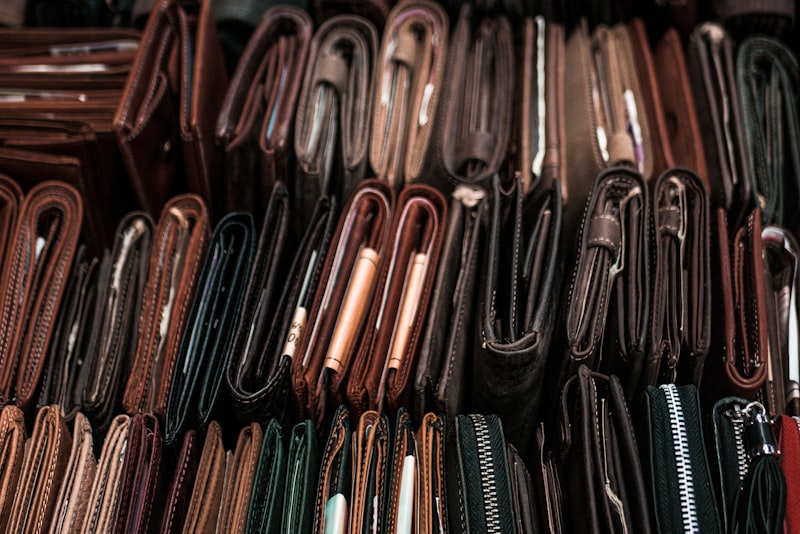
Good leather is one of the rare materials that looks better with age, but only if you give it a little help. Wallets, watch straps, and bags absorb skin oils, sweat, dust, and the occasional rain shower, and without basic care they dry out, crack, or grow stiff and dull. The good news is that maintaining leather takes minutes, costs almost nothing, and dramatically extends how long your everyday carry lasts.
Know Your Leather First#
Before you touch a product to it, identify what you are working with, because the wrong approach can stain or seal the surface.
- Full-grain and top-grain leather are the most common in quality wallets and straps. They take conditioner well and develop a patina over time.
- Suede and nubuck have a soft, brushed surface that water and oils will ruin. These need dry brushing and dedicated suede products, not standard conditioner.
- Patent and coated leathers have a plastic-like finish that repels conditioner; wipe them with a damp cloth only.
If you are unsure, test any cleaner or conditioner on a hidden spot first, such as the inside of a wallet flap, and wait for it to dry before committing to the whole piece.
The Gentle Cleaning Routine#
Cleaning comes before conditioning, because rubbing conditioner over grime just pushes dirt deeper into the grain. Keep it light.
- Dry-brush or wipe the surface with a soft, dry cloth or a horsehair brush to lift loose dust.
- For everyday soiling, dampen a cloth with plain water, wring it out until it is barely moist, and wipe in small sections.
- For stubborn marks, use a pH-balanced leather cleaner sparingly, following its directions, and never soak the leather.
- Let the piece air-dry fully at room temperature before the next step.
Avoid household cleaners, alcohol wipes, baby wipes, and saddle soap on fine leather goods. They strip natural oils and can leave the surface dry and patchy. Less is almost always more.
Conditioning Without Overdoing It#
Conditioning replaces the oils that leather loses through use and prevents the dryness that leads to cracking. The mistake most people make is doing it too often or applying too much.
A small amount of a quality leather conditioner or cream, worked in with a soft cloth using circular motions, is plenty. Most wallets and straps only need conditioning a few times a year, depending on climate and how hard they are used. Dry environments and heavy daily handling call for slightly more frequent care; humid climates need less.
Watch out for these points:
- Wipe off the excess. Leather absorbs what it needs within a few minutes; buff away the rest so it does not transfer to clothing or cuffs.
- Expect slight darkening. Most conditioners deepen the color a touch, which is normal and usually evens out.
- Avoid silicone-heavy or petroleum products on dress leather, as they can build up a film and trap dirt.
Special Care for Watch Straps#
Leather watch straps live the hardest life of any leather you own, because they sit against warm skin and absorb sweat all day. That moisture is the enemy.
The single best habit is rotation. Giving a strap a full day to dry out between wears roughly doubles its useful life. After a hot or sweaty day, wipe the inside of the strap with a barely damp cloth and let it breathe. If you swim or shower, take the watch off; even a water-resistant case does not make a leather strap waterproof, and repeated soaking causes the strap to stiffen, crack, and smell. When a strap does wear out, replacing it is inexpensive and instantly refreshes the whole watch.
Storage That Protects Leather#
How you store leather between uses matters as much as how you clean it. The two threats are extremes of moisture and heat.
- Keep leather dry but not bone-dry. A stable room temperature with moderate humidity is ideal. Persistent damp invites mold, while very dry air accelerates cracking.
- Stay away from direct heat and sunlight. Radiators, hot cars, and sunny windowsills fade color and bake out the oils. UV exposure is especially harsh on dyed leather.
- Let bags hold their shape. Stuff handbags and totes loosely with acid-free tissue or a soft cloth so they do not crease or collapse.
- Use breathable storage. A cotton dust bag is perfect. Avoid sealing leather in plastic, which traps moisture and can lead to mildew.
For wallets, simply emptying out the bulk of cards and receipts now and then prevents permanent stretching of the pockets.
Handling Water, Stains, and Scratches#
Accidents happen, and how you react in the first minutes makes the difference. If leather gets wet, blot it gently with a dry cloth and let it dry slowly away from heat. Never use a hairdryer or place it near a heater, since fast drying is what causes the leather to crack.
For oil or grease stains, sprinkle a little cornstarch or talc, leave it overnight to draw out the oil, then brush it away. Light surface scratches on full-grain leather can often be buffed out with a clean finger or a dab of conditioner, since the natural oils help the grain settle. Deeper damage may need a professional, and that is money well spent on a piece you love.
Conclusion#
Leather care is not complicated; it is just consistent. Clean gently before you condition, condition occasionally rather than constantly, keep everything dry and out of direct heat, and rotate your watch straps so they can breathe. Do that, and your wallets, straps, and bags will not just survive years of daily carry but will look richer and more characterful for it. A few minutes of attention now is what turns ordinary leather goods into pieces you carry for a decade or more.