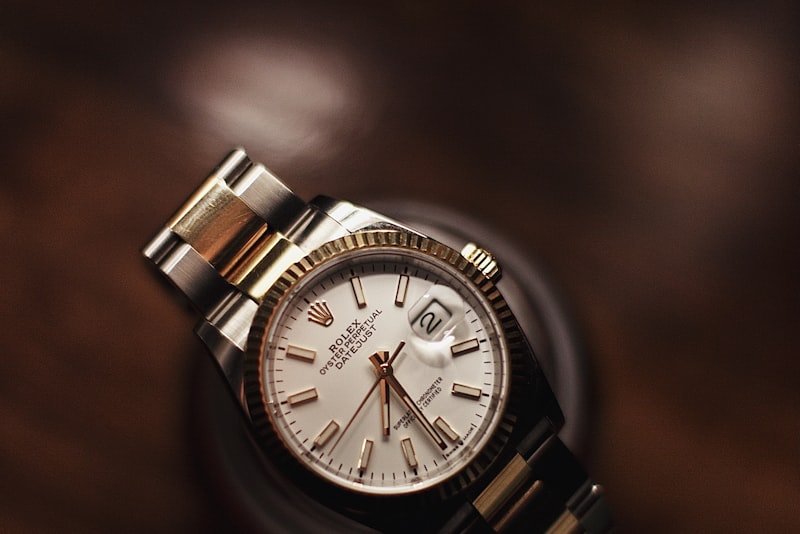
Buying your first proper watch should feel exciting, not stressful, yet the sheer range of options can leave beginners frozen or overspending on the wrong thing. The good news is that a thoughtful budget watch can look sharp, run reliably for years, and teach you what you actually like. This roadmap focuses on the decisions that matter most so you end up wearing your watch with confidence rather than second-guessing it.
Set Your Budget and Hold the Line#
Decide what you are comfortable spending before you start looking, then treat that number as a ceiling rather than a target. It is easy to creep upward chasing one more feature, but the watch that delivers the most satisfaction is usually the one bought without financial strain.
It also helps to separate two ideas in your head from the start. A watch is something to enjoy and use, not a guaranteed way to make money. Buying a watch is not investment advice, and most everyday watches will not appreciate, so choose based on how much joy and utility it brings rather than dreams of future resale.
Understand the Movement Inside#
The movement is the engine of the watch, and there are three families a first-time buyer will encounter.
- Quartz: Battery-powered and extremely accurate, often within seconds per month. It needs little attention beyond a battery change every few years, making it ideal if you want a low-maintenance, set-and-forget watch.
- Mechanical (hand-wound): Powered by a mainspring you wind yourself, with no battery. It connects you to traditional watchmaking but requires a daily winding habit and periodic servicing.
- Automatic: A self-winding mechanical movement that uses the motion of your wrist to keep the spring tensioned. It offers the charm of mechanics without daily winding, though it loses time more than quartz and benefits from occasional servicing.
For a first watch, none of these is objectively best. Quartz gives accuracy and simplicity for less money, while an automatic delivers the sweeping seconds hand and mechanical character many enthusiasts fall in love with.
Judge Build Quality Over Flash#
Flashy dials and crowded complications can distract from what makes a watch feel good over years of wear. Focus instead on the fundamentals you can inspect and feel.
- Case material: Stainless steel is the sweet spot for durability and corrosion resistance at modest prices. Coated cases can look great but may show wear at the edges over time.
- Crystal: Sapphire crystal resists scratches far better than mineral or acrylic and is well worth seeking out, even on a budget piece.
- Finishing: Look at how cleanly the indices are applied, whether the hands align with the markers, and how the bracelet or strap is attached. Tidy details signal a well-made watch.
- Strap and clasp: A solid clasp and a strap that suits your wrist make a daily difference. Straps are also cheap to swap later.
A clean, well-finished three-hander will almost always age better than a busy watch loaded with features you rarely use.
Match Water Resistance to Your Life#
Water-resistance ratings describe controlled test conditions, not a promise for every situation, so read them with care. A common rule of thumb runs like this:
- 30m: Splash resistant. Fine for rain and handwashing, not for swimming.
- 50m: Handles brief, shallow contact with water but is not ideal for swimming laps.
- 100m: Comfortable for swimming and snorkeling for most people.
- 200m and above: Suited to serious swimming and recreational diving.
Whatever the rating, always follow the manufacturer's water-resistance and servicing guidance, keep the crown screwed down where applicable, and remember that gaskets age. Avoid operating the crown underwater and have the seals checked periodically if you swim with the watch.
Pick a Style You Will Actually Wear#
A first watch should slot into your real life rather than one specific outfit. A versatile design with a clean dial, a neutral case color, and a modest size tends to pair with everything from a t-shirt to a blazer. That flexibility means more wrist time and more value from your money.
Sizing matters more than beginners expect. As a starting point, measure your wrist and aim for a case diameter that sits comfortably without overhanging the edges, and check that the lug-to-lug length fits within the flat of your wrist. A watch that fits well looks more expensive than it is, while an oversized one never quite settles.
Where to Buy and What to Avoid#
Buying new from an authorized retailer or the brand directly gives you a clear warranty and peace of mind, which is reassuring for a first purchase. The pre-owned market offers more watch for your money, but it demands extra care.
If you go used, verify the authenticity of the watch and the reputation of the seller before you buy, ask for clear photos, and favor sellers with strong return policies. Be wary of prices that seem too good to be true, since they often are.
Conclusion#
Your first watch does not need to be perfect, it needs to be honest, well made, and genuinely yours. Set a firm budget, understand the movement you are buying, prioritize solid construction over gimmicks, and choose a versatile style sized to your wrist. Do that and you will reach for it again and again, which is the only return that truly matters with a first watch.