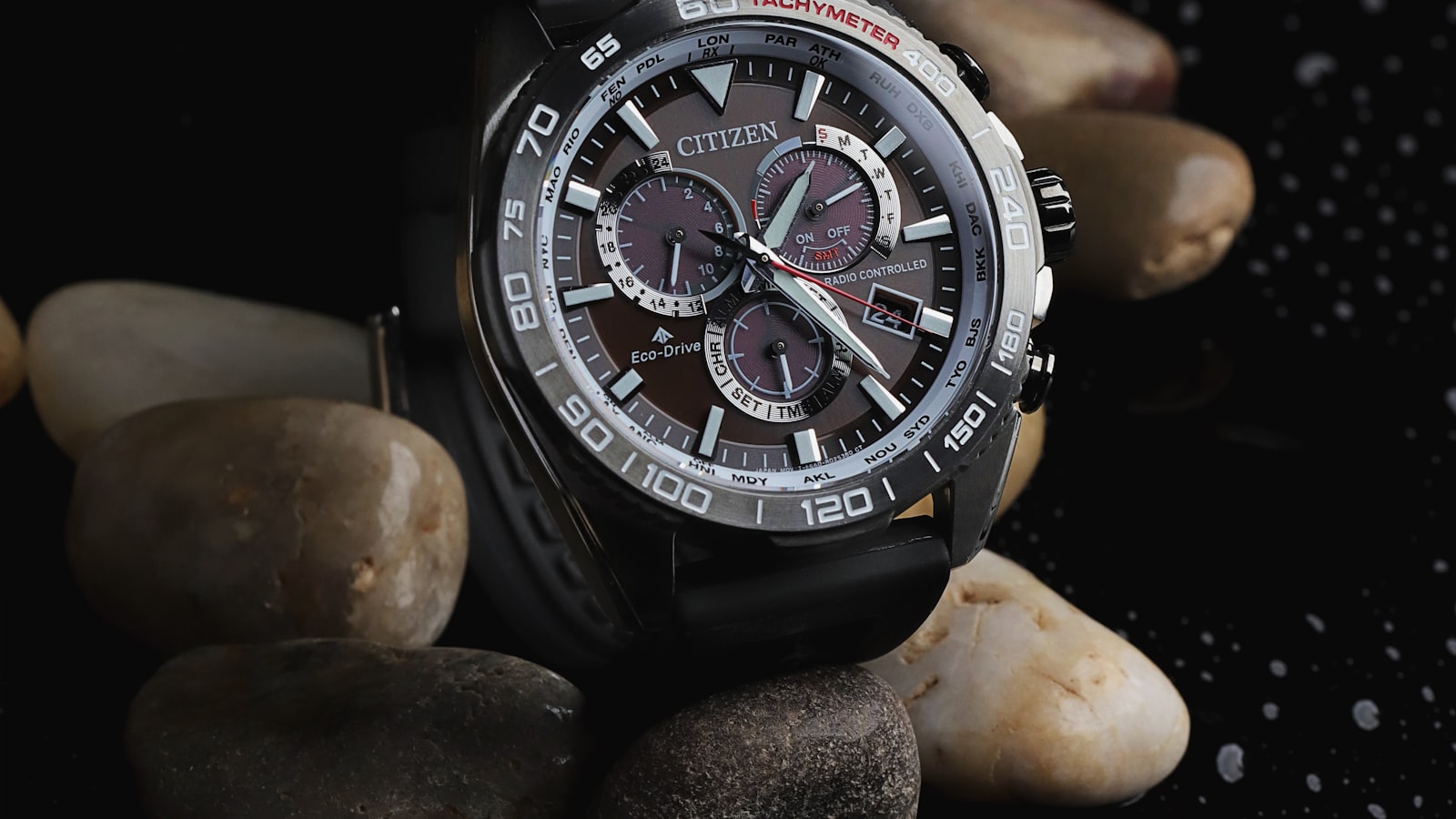
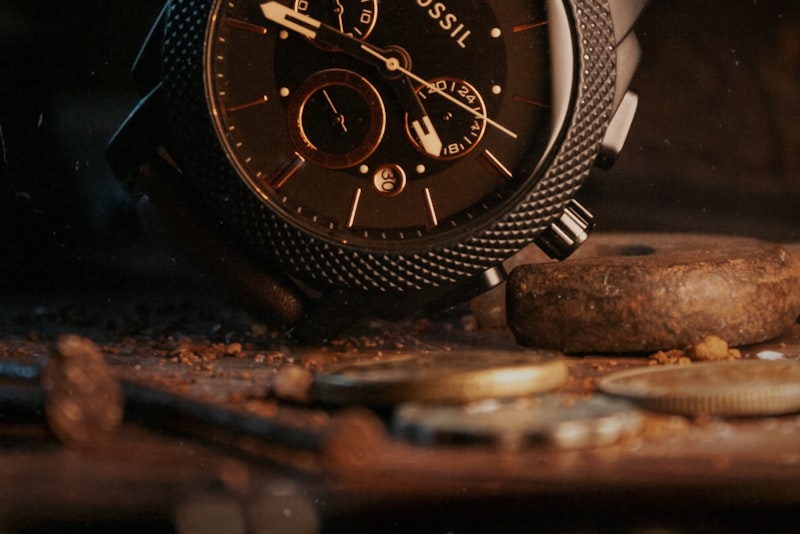
In watch language, a complication is any function a watch performs beyond showing hours, minutes, and seconds. The word sounds intimidating, and the most elaborate examples genuinely are, but most complications are simple tools you will recognize instantly. This guide walks through the common ones and helps you judge which actually earn their place on your wrist.
The Simple Definition#
A complication is anything extra the movement does. A plain three-hand watch has none. Add a date window and you have one complication. Stack on a chronograph, a second time zone, and a moonphase, and the complication count climbs along with the price and complexity.
Two things rise with each added function:
- Cost, because more mechanism means more parts and labor.
- Service expense, because a more complex movement takes longer to clean, adjust, and repair.
That trade-off matters. A complication you never use still needs maintenance, so it pays to choose deliberately rather than collecting features for their own sake.
The Date: Practical and Everywhere#
The date is the most common complication, and for good reason. It answers a question you ask constantly, and it is easy to read.
Variations you will encounter:
- A date window, usually a small aperture on the dial.
- A pointer date, where a hand indicates the date around the dial's edge.
- A big date, which uses two discs for a larger, more legible numeral.
- A day-date, adding the day of the week alongside the date.
One caution applies to mechanical date watches: avoid changing the date during the late evening hours, often roughly 9pm to 3am, when the mechanism is engaged to flip over. Forcing it then can damage the movement. Check the manufacturer's manual for the safe adjustment window on your specific watch.
GMT and Dual Time: The Traveler's Friend#
A GMT or dual-time complication shows a second time zone. It is arguably the most genuinely useful complication for anyone who travels or works across regions.
The classic GMT setup adds a fourth hand that completes one rotation every 24 hours, read against a 24-hour scale, often on the bezel. You keep your local time on the main hands and a second zone on the GMT hand. Some movements let you jump the local hour hand independently, which makes adjusting on arrival effortless, while simpler ones move the 24-hour hand instead.
For frequent flyers, this is the complication that pays off daily. It removes mental math and helps you keep track of home while away.
The Moonphase: Charm Over Function#
A moonphase displays the current phase of the moon through a small aperture, usually with a decorated disc showing the moon against a starry sky. It is one of the oldest and most beloved complications.
Be honest with yourself about why you want it. The moonphase is largely decorative for most people, a touch of romance and craftsmanship rather than a practical tool. A standard moonphase drifts slightly over the years and needs occasional correction, while more precise versions stay accurate far longer. If you love how it looks, that is reason enough, but it rarely changes how you use the watch.
Power Reserve, Chronograph, and Beyond#
Several other complications show up regularly:
- Power reserve indicator: shows how much wind is left in a mechanical movement, genuinely handy on hand-wound watches so you know when to wind.
- Chronograph: a built-in stopwatch operated by pushers, useful if you actually time things.
- Annual or perpetual calendar: tracks months and leap years with little or no correction, beautiful engineering but expensive to buy and service.
- Minute repeater: chimes the time on demand, a rare and costly showpiece.
Each adds capability and complexity. The further up this list you go, the more the watch becomes a piece of horological art and the more its upkeep demands attention.
Which Complications Actually Matter#
For most people, the practical ranking is short:
- Date, because you check it constantly.
- GMT or dual time, if you travel or coordinate across zones.
- Power reserve, if you wear hand-wound mechanical watches.
Everything else is more about appreciation than utility. That is not a criticism. A moonphase or a perpetual calendar can be deeply rewarding to own. Just buy it knowing you are paying for craftsmanship and beauty, not daily function.
The Hidden Cost of Complexity#
More complications mean more that can go out of adjustment and more to service. A movement with a chronograph and calendar takes a watchmaker far longer to maintain than a simple three-hander. Always follow the manufacturer's recommended servicing schedule, since neglected complications are both frustrating and costly to revive.
Buying With Complications in Mind#
A few grounded tips before you spend:
- Match features to your life. A GMT you never set is just clutter on the dial.
- Factor in long-term costs. Service intervals and prices climb with complexity.
- Verify pre-owned pieces carefully. Confirm the watch's authenticity and the seller's reputation, and ask when complicated movements were last serviced, since deferred maintenance can hide expensive surprises.
Keep perspective on value too. Watches, complicated or not, are things to enjoy rather than guaranteed financial investments, and this is not investment advice. Resale values move unpredictably, so let function and pleasure guide the purchase.
The Takeaway#
A complication is just a function beyond telling time, and the best ones quietly make your day easier. Prioritize the date and a second time zone if you need them, enjoy the moonphase and calendars for their artistry, and remember that every added function is something to maintain. Choose the complications you will actually use, and the watch becomes a tool you reach for rather than a puzzle on your wrist.