There is a point in building an everyday carry setup where your pockets run out of room, and the bag becomes the gear. The right bag keeps your essentials organized, comfortable to carry, and quick to reach. The wrong one is a black hole that swallows your keys and leaves your shoulder aching. Choosing well comes down to matching the format, the size, and the organization to how you actually move through your day.
Most EDC carry falls into three broad shapes, each with a clear strength.
- Slings are single-strap bags worn across the body. They favor a light load and fast access, since you can swing the bag to your front without taking it off.
- Backpacks use two straps to distribute weight across both shoulders, making them the comfortable choice for heavier or bulkier loads carried over longer distances.
- Organizer pouches are not worn at all; they sit inside a larger bag or live in a car, corralling small items so they do not scatter.
These are not mutually exclusive. Many people use a pouch inside a sling or backpack, getting both portability and internal order. Start by deciding how much you carry and how far, then the format usually picks itself.
When a Sling Makes Sense#
A sling is ideal for the minimalist on the move. If your essentials are a phone, wallet, keys, a small light, a charger, and maybe a compact water bottle, a sling carries them close and lets you reach everything in seconds.
Slings shine for:
- Errands and city days where you want quick access without unslinging
- Travel as a personal item that keeps documents and electronics handy
- Active use like walking or cycling, where the body-hugging fit stays put
The trade-off is load. A sling rests its weight on one shoulder, so it grows uncomfortable when overpacked. Look for a padded, contoured strap and ideally a small stabilizer strap to keep a heavier sling from swinging. As a rough guide, slings in the 3 to 10 liter range cover most everyday needs.
When a Backpack Wins#
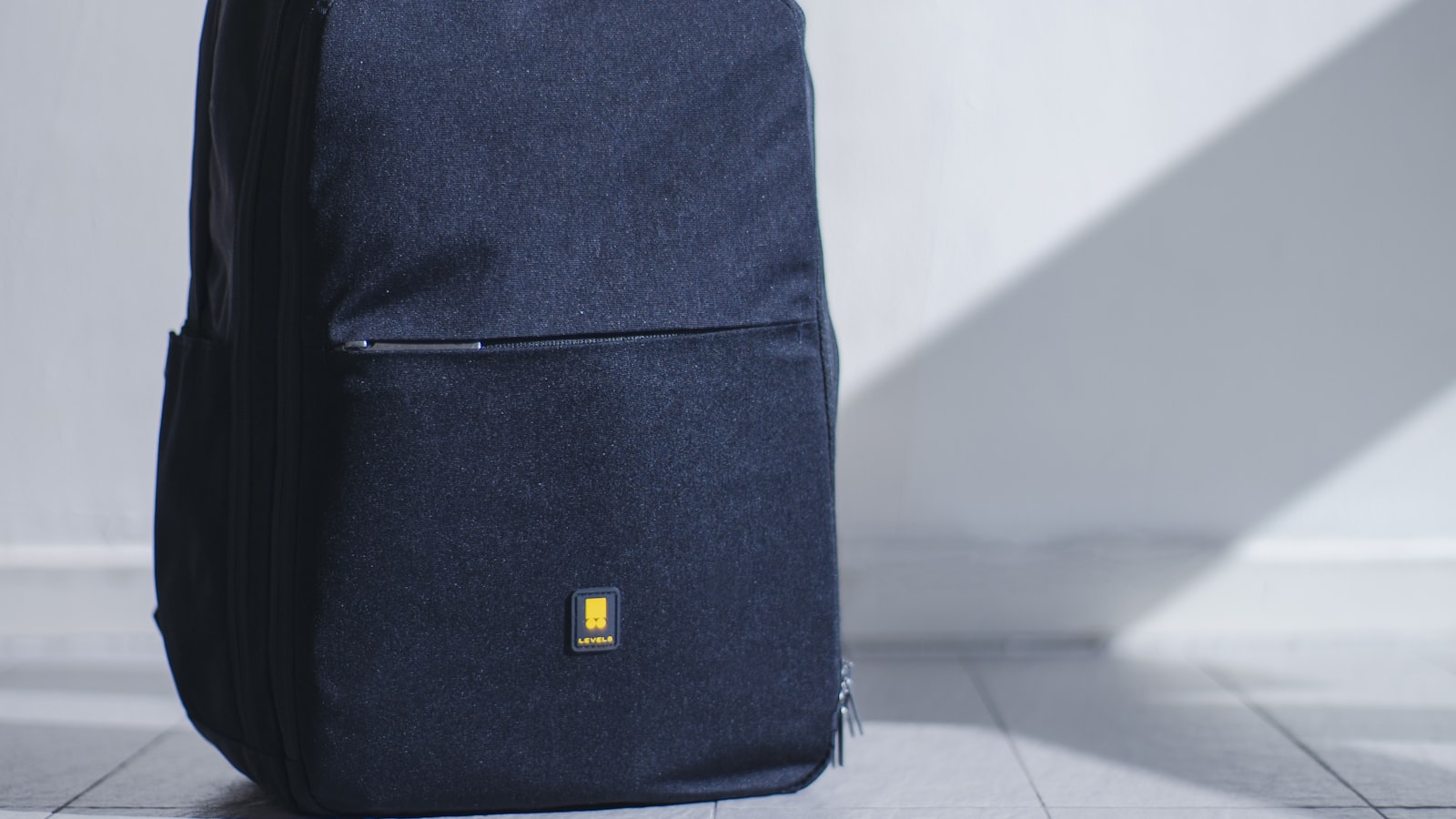
Once your gear includes a laptop or tablet, a larger water supply, layers, or anything you carry for hours, a backpack becomes the comfortable answer. Two straps share the weight, sparing the one-sided strain a heavy sling creates.
Key things that make a daily backpack work:
- Padded, adjustable shoulder straps and a back panel that holds the load close to your spine. A load carried high and close feels lighter than one sagging low.
- A dedicated padded laptop or tablet sleeve, ideally suspended off the bottom so a drop does not jolt the device.
- Compression or a slim profile so a partly empty bag does not flop around.
- Sensible capacity. For everyday use, 15 to 25 liters suits most people; larger bags invite overpacking.
A backpack also gives you room to grow into errands, gym clothes, or a packed lunch without a second bag. The cost is bulk and slower access, since you usually have to take it off to dig in.
The Underrated Organizer Pouch#
Pouches solve the most common bag complaint: the bottomless main compartment where cables, chargers, and small tools tangle into chaos. A pouch or two transforms any bag into an organized system.
- A tech pouch with elastic loops and mesh pockets keeps cables, a battery pack, adapters, and earbuds visible and untangled.
- A small tool or admin pouch corrals pens, a notebook, a multitool, and first-aid basics.
- Pouches make it trivial to swap your essentials between bags; grab the pouch and your kit moves with you.
Even if you never buy a dedicated EDC bag, a couple of good pouches inside the bag you already own can deliver most of the organizational benefit for a fraction of the cost.
Organization Beats Raw Size#
A bigger bag is not a better bag. Capacity without structure just means a deeper pile to dig through. What actually makes daily carry pleasant is thoughtful internal layout.
Look for these features:
- A clear pocket hierarchy: a quick-access pocket for phone and keys, a secure pocket for valuables, and a larger main space for everything else.
- Mesh or elastic organization so you can see and reach small items rather than fishing blind.
- Pass-through or external pockets for the things you grab most, like a transit card, sunglasses, or a water bottle.
- A secure closure. Zippers should run smoothly; lockable or hidden zippers add peace of mind in crowded places.
A medium bag organized well outperforms a large bag that is just one big sack. When evaluating any bag, mentally pack your real gear and ask where each item would live.
Materials and Durability#
A bag takes constant abrasion, so the fabric and hardware decide how long it lasts.
- Ballistic and high-denier nylon (such as 500D or higher, or ripstop weaves) resist abrasion and tearing while staying reasonably light.
- Coated fabrics or sealed seams add water resistance, though few everyday bags are fully waterproof, so follow any care guidance and use a rain cover in heavy weather if your gear is sensitive.
- Quality zippers from reputable makers are worth seeking out, since the zipper is the part most likely to fail first.
- Bar-tacked stress points at strap anchors and reinforced bottoms signal a bag built to endure.
If you buy a sought-after bag pre-owned to save money, verify the listing's authenticity and the seller's reputation, since popular models do get counterfeited, and inspect the zippers and strap stitching closely before you commit.
Making Your Choice#
Match the format to your load and distance: a sling for light, fast, close-to-body carry; a backpack for heavier gear over longer stretches; pouches to bring order to whatever you choose. Then prioritize organization and durable construction over sheer volume. Pack your actual essentials, not your aspirational ones, and pick the smallest bag that holds them comfortably. Done right, your EDC bag fades into the background and simply keeps your daily life running smoothly, which is exactly what good gear should do.