A good multitool quietly solves small problems all day long, from a loose screw on a cabinet hinge to a stubborn package that refuses to open. The trouble is that the market rewards big tool counts on the box rather than the few implements you will actually reach for. This guide walks through what genuinely matters so you can choose a tool that earns its place in your pocket instead of weighing it down.
Start With How You Will Actually Use It#
Before comparing specs, picture your week. Someone who builds flat-pack furniture and tightens bike bolts needs a different layout than a hiker who mostly cuts cord and tape. A multitool is a compromise machine, so the smartest purchase matches your real, repeated tasks rather than rare emergencies.
Be honest about overlap with gear you already carry. If a dedicated pocket knife already lives in your bag, you may not need the largest blade on the multitool, which frees you to prioritize pliers or a saw. Buying around your habits is the single biggest factor in whether a tool gets used or abandoned in a drawer.
Most everyday fixes come down to a short list of implements. If a tool nails these, the rest is bonus.
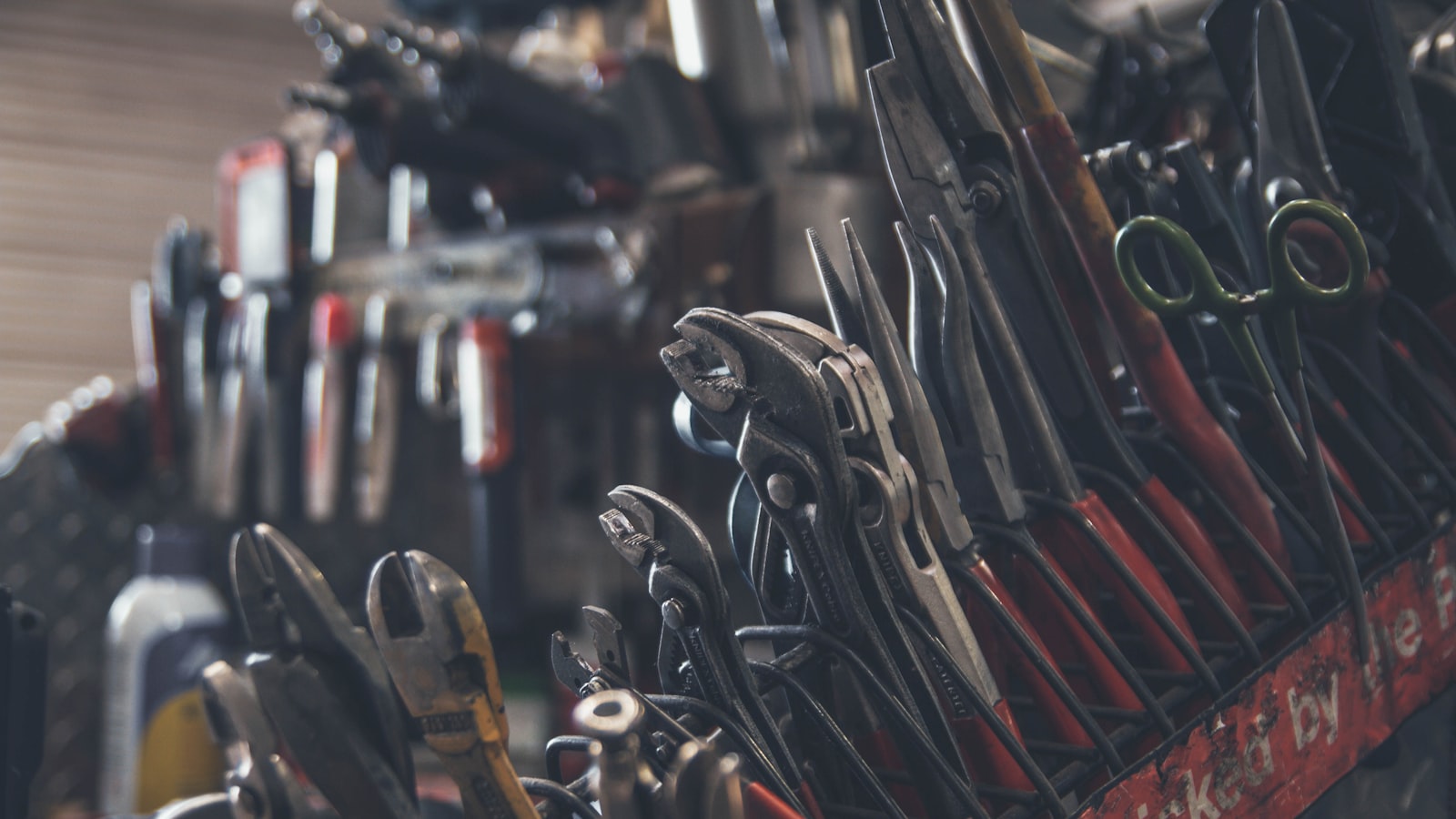
- Pliers: The headline feature of most full-size multitools. Look for needle-nose tips for fine work and a flat section behind them for gripping nuts and bolts. Replaceable wire cutters are a meaningful upgrade because they are the part most likely to dull or nick.
- A driver system: Either fixed flathead and Phillips drivers or, better for versatility, a bit driver that accepts standard interchangeable bits. A bit driver turns one slot into dozens of profiles, including Torx and hex.
- A blade: A plain edge handles most cutting cleanly and is easy to sharpen. A partially serrated edge bites into rope and webbing better but is fiddlier to maintain.
- A bottle and box opener: Small, but used constantly.
Tools like saws, files, awls, and scissors are genuinely useful for specific people. Scissors in particular punch above their weight for daily life, often outpacing the main blade for opening packaging and trimming threads.
A package that boasts twenty-one functions sounds generous, but counts are inflated by listing every edge of every implement separately. A single combination tool might be counted as a ruler, a bottle opener, and a pry bar at once. More functions also mean more pivots and layers, which adds bulk and can make individual tools harder to access.
Clutter has a real cost. Each extra implement you never use still adds weight, thickness, and points where dirt collects. A focused eight-function tool you carry every day beats a crowded one you leave at home because it is too heavy.
Build Quality and Materials#
This is where your money quietly does the most work. Pay attention to a few things you can feel and inspect:
- Locking implements: Tools that lock open are safer and more confident under load than friction-fit ones that can fold on your fingers. Most quality full-size tools lock the blade and key implements.
- Steel: Blades and cutters made from a decent stainless steel hold an edge longer and resist rust. You do not need an exotic alloy, but very soft no-name steel dulls fast.
- Action and tolerances: Pivots should move smoothly without excessive wobble. Sloppy play in the pliers head signals loose tolerances that worsen over time.
- Corrosion resistance: Stainless construction matters if your tool rides in a sweaty pocket or near water.
A solid warranty is also a strong signal. Manufacturers who stand behind a tool for many years tend to build to a standard that survives real use.
One-Hand Versus Two-Hand Access#
How you deploy a tool affects how often you use it. Designs that let you open the pliers or access a blade with one hand shine when your other hand is busy holding the thing you are working on. Two-hand butterfly-style openings can be very robust and satisfying, but they ask you to set down whatever you are holding.
Neither approach is wrong. If you frequently work one-handed, prioritize outboard tools that flip open from the closed position. If you mostly use the tool at a bench, the trade-off matters far less.
Carry, Size, and Daily Comfort#
The best multitool is the one on you when something breaks. A full-size model offers stronger pliers and longer blades but can feel like a brick in jeans, so many people prefer a belt sheath or bag carry for those. A keychain-size tool gives up cutting power and grip strength but disappears into a pocket, making it far more likely to be present.
Think about your wardrobe and routine. A pocket clip is convenient but can print against thin fabric, while a sheath keeps weight off your waistband seam. Try to handle a tool, or at least check its closed dimensions and weight, before committing.
A Quick Word on Safety and Laws#
A multitool is sharp, and the leverage of pliers and drivers can pinch hard. Keep fingers clear of the closing path, let locks do their job, and cut away from yourself.
Carry laws are easy to overlook. Blade length limits, lock restrictions, and what counts as a carried tool vary widely by location, and rules can differ between regions, transit systems, and venues. Check your local regulations before you carry, especially if the tool has a locking or longer blade, and be mindful when traveling or passing through security.
Conclusion#
A multitool should be chosen like a small daily companion rather than a feature checklist. Match it to the fixes you actually face, insist on solid pliers, a usable driver, and a blade in good steel, and let build quality and comfortable carry outrank raw tool count. Get those priorities right and you will end up with a tool that quietly proves its worth for years.