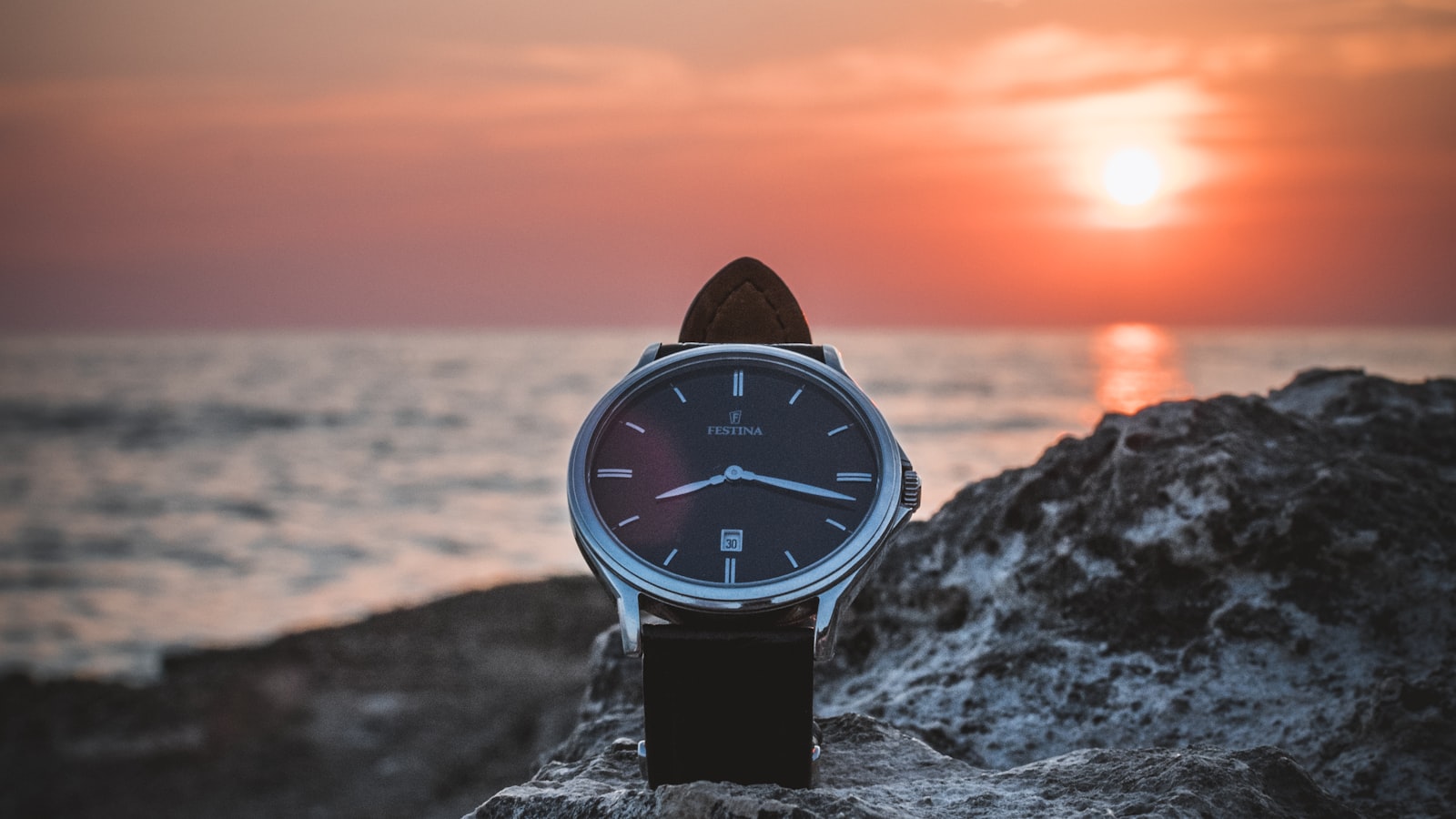
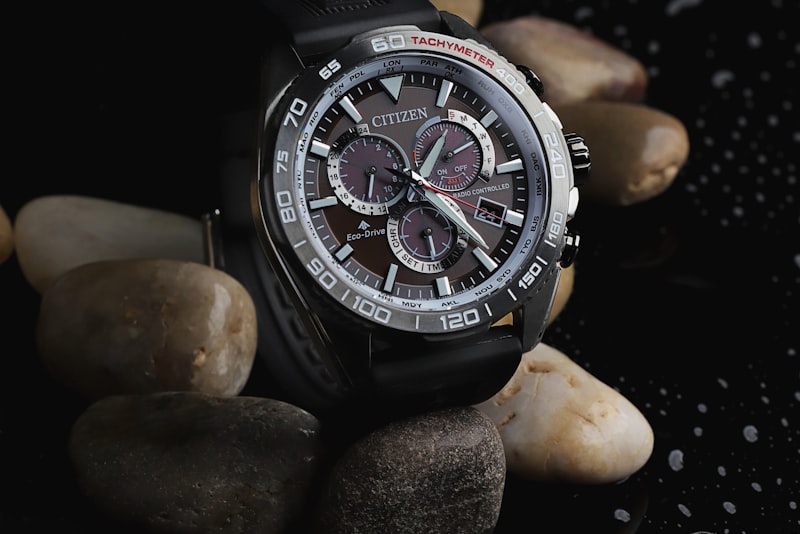
The dive watch is arguably the most popular watch style in the world, and most of the people wearing one will never strap on a scuba tank. That is part of the appeal: a true dive watch is engineered as a genuine underwater tool, and that purposeful, over-built design also happens to make it tough, legible, and endlessly wearable on land. Understanding what actually makes a dive watch helps you tell a real one from a watch that merely looks the part.
What Defines a True Dive Watch#
A "dive watch" is more than a watch that survives a swim. The recognized benchmark is the international standard ISO 6425, which sets minimum requirements a watch must meet to be marketed as a divers' watch. To qualify, a watch generally must:
- Be water resistant to at least 100m, though most serious dive watches offer 200m or more.
- Have a unidirectional rotating bezel with clear minute markings.
- Provide strong legibility in darkness, meaning luminous hands and markers visible from a set distance.
- Include an end-of-life indicator on battery-powered models, and resist magnetism, shock, and saltwater.
Plenty of watches with dive styling do not meet this standard, and that is fine for everyday wear, but the distinction matters if you intend to actually dive. When in doubt, check whether a manufacturer specifically certifies the watch to ISO 6425.
The Unidirectional Bezel and Why It Only Turns One Way#
The rotating bezel is the dive watch's signature feature, and its one-way design is a genuine safety measure, not a styling choice.
A diver aligns the bezel's zero marker (usually a triangle) with the minute hand at the start of a dive. As time passes, the minute hand sweeps across the bezel's scale, showing elapsed time underwater at a glance. This matters because air supply is finite, and knowing how long you have been down is critical.
The bezel turns in one direction only, counterclockwise. If it is accidentally knocked during a dive, it can only rotate to show more elapsed time than has actually passed, never less. The result is a conservative reading that tells the diver to surface earlier rather than later. A bidirectional bezel could underreport remaining air, which is exactly the dangerous scenario the unidirectional design prevents.
Lume: Reading the Dial in the Dark#
Light disappears quickly underwater, so a dive watch must be readable in near-total darkness. This is the job of lume, the luminous material applied to the hands, markers, and bezel pip.
Most modern dive watches use photoluminescent compounds, often branded names based on strontium aluminate, which absorb light and then glow for hours. The brightness fades gradually through the night, but a good application stays clearly legible long enough for practical use. A smaller number of specialized watches use tritium gas tubes, tiny vials that glow continuously for years without needing a light source to charge, at the cost of dimmer overall output.
For everyday wearers, strong lume is simply a pleasure: glancing at a bright, clear dial in a dark cinema or bedroom is one of the small joys of owning a dive watch.
Built Tough: Cases, Crowns, and Crystals#
Dive watches are over-engineered against pressure and impact, which is why they survive ordinary life so easily.
- Screw-down crown: The crown threads tightly into the case to seal against water. It must be unscrewed to set the time and screwed back down before any water contact. This single feature is central to high water resistance.
- Thick case and case back: Often stainless steel for corrosion resistance, sometimes titanium for lighter weight. Many models use a screw-down case back for an extra seal.
- Sapphire crystal: Highly scratch resistant and able to withstand pressure. Some dive watches include a helium escape valve for saturation diving, a niche feature most owners will never need.
- Secure strap or bracelet: Dive bands often include extensions to fit over a wetsuit and clasps designed not to release accidentally.
Why Divers Became Everyday Classics#
The same qualities that make a dive watch a capable tool make it a brilliant daily companion. The dials prioritize legibility with bold markers and high contrast. The cases are robust enough to ignore desk knocks and weekend adventures. And the water resistance, commonly 200m or 300m, means you never have to think twice about rain, swimming, or washing up.
There is also a heritage element. The classic skin-diver and tool-diver designs of the mid-twentieth century established a visual language so successful that it never really went out of style. A modern dive watch nods to that history while delivering robustness that comfortably exceeds most owners' real needs.
Caring For a Dive Watch#
A dive watch is durable, but it still relies on consumable seals. To keep it dependable:
- Rinse with fresh water after exposure to saltwater or chlorine to prevent corrosion and salt buildup, especially around the bezel and crown.
- Always screw the crown fully down before contact with water, and never operate the crown while the watch is wet.
- Have the gaskets pressure-tested at the interval your manufacturer recommends, particularly before any serious diving.
- Service the watch according to the maker's guidance, since water-resistance ratings rely on intact seals that age over time.
If you plan to dive for real, treat the watch as one part of a properly trained, well-equipped approach, and rely on certified gear and instruction rather than the watch alone.
A Note on Buying#
Dive watches are popular, which unfortunately makes them a frequent target for counterfeits and misrepresented listings. If you buy pre-owned, verify the watch's authenticity and the seller's reputation before paying, and ask for service records and proof of water-resistance testing where you can. And while some sought-after dive watches hold their value, a watch is not a guaranteed investment; buy it to wear and enjoy, not as a financial bet.
Conclusion#
A real dive watch is a thoughtfully engineered instrument: a unidirectional bezel for safe elapsed-time tracking, powerful lume for darkness, a screw-down crown and tough case for genuine water resistance, and ideally ISO 6425 certification behind it all. Those same traits explain why divers escaped the ocean to become some of the most beloved everyday watches around. Wear one knowing exactly what each feature is for, and it will serve you well above and below the surface.