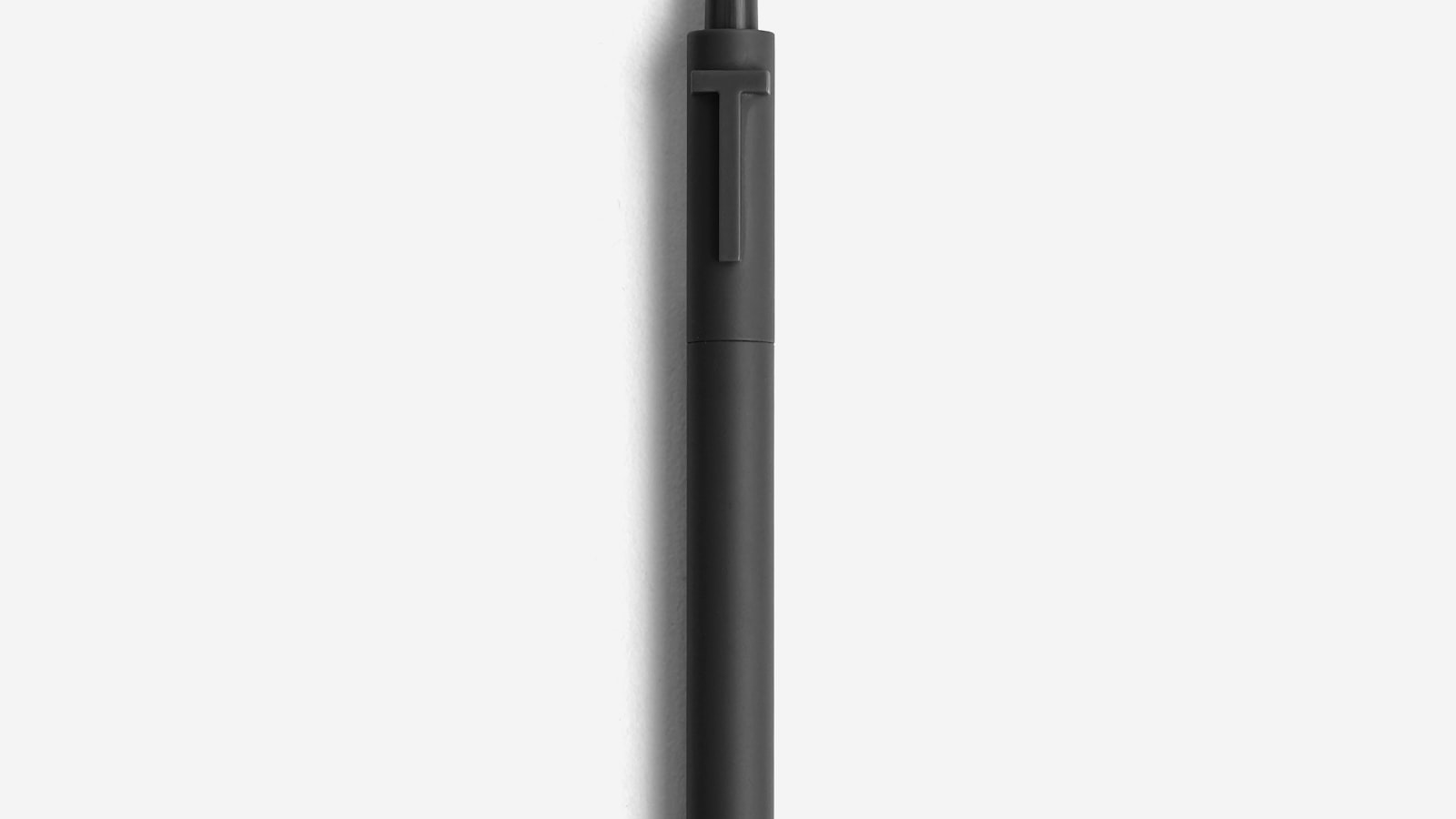
A reliable pen sounds like the least exciting thing you could carry, right up until you need to sign something, jot a note, or mark a box and the cheap plastic pen in your bag has dried out or cracked. A proper everyday carry pen is built to survive pocket life and to write the moment you need it. Here is how to choose one that earns its spot without overthinking it.
Why an EDC Pen Is Worth It#
Disposable pens are designed to be lost and replaced, so they fail in predictable ways: they leak, skip, crack, or vanish. An EDC pen flips that logic. It is built from durable materials, accepts quality refills, and is something you keep track of precisely because it feels worth keeping.
The payoff is simple reliability. When you reach for it, it writes. It clips securely, resists being crushed in a bag, and often works across a wider range of conditions than a flimsy stick pen. For anyone who signs documents, takes handwritten notes, or just dislikes hunting for a working pen, that dependability is the whole point.
Body Materials and Build#
The body determines how the pen survives keys, drops, and pocket grit.
- Aluminum is light, affordable, and tough enough for daily use, often with a hard-anodized finish for scratch resistance.
- Stainless steel adds noticeable weight and a solid, premium feel, with strong corrosion resistance.
- Titanium is the durability favorite: strong, light for its strength, and naturally corrosion-resistant, though it costs more.
- Brass and copper look great and develop a patina over time, but they are heavier and oxidize, which some people love and others do not.
Pay attention to the threading and tolerances. A well-machined pen has clean threads, no rattle, and a cap or mechanism that operates smoothly. Sloppy tolerances are usually the first sign a pen will frustrate you later.
Refills: The Heart of the Pen#
The refill matters more than almost anything else, because it determines how the pen actually writes. A beautiful body paired with a poor refill is a disappointment, while a humble pen with a great refill is a joy.
Common refill families to know:
- Ballpoint refills use oil-based ink that is reliable, long-lasting, and resistant to smudging and water. They require slightly more pressure but rarely dry out.
- Gel refills lay down smoother, darker lines with less effort, at the cost of faster ink use and a longer dry time.
- Rollerball refills use liquid ink for a fluid, fountain-pen-like feel, though they can bleed on cheaper paper.
- Hybrid and pressurized refills aim to combine smoothness with reliability; pressurized types can even write upside down, in the cold, or on damp surfaces, which is handy for outdoor and work use.
A major practical question is refill compatibility. Some EDC pens are designed around a single widely available refill standard, which makes replacements easy to find for years. Others accept multiple sizes via adapters, giving you freedom to tune the writing feel. Before buying, confirm which refills a pen takes so you are never stuck with a pen you cannot refill.
Tip Size and Line Width#
Refills come in tip widths, often listed in millimeters such as 0.5mm fine, 0.7mm medium, and broader. Finer tips suit small handwriting and detailed notes; broader tips glide more easily and feel bolder. This is personal preference, so it is worth trying a couple of widths once you settle on a pen.
Deployment: Click, Twist, or Cap#
How the pen opens affects how quickly and cleanly you can use it.
- Click (bolt or push button): fast one-handed deployment, but the mechanism is a moving part that should feel crisp, not mushy.
- Twist: simple and quiet, with fewer parts to fail, though it needs two hands.
- Capped: protects the tip well and can feel the most refined, but the cap is one more thing to lose, so look for a cap that posts securely on the back.
For most people, a smooth click or a solid twist is the sweet spot between convenience and durability. Whichever you choose, the mechanism should engage positively without wobble.
Size, Weight, and the Clip#
A pen only helps if you carry it, so comfort and pocketability count.
- Length and diameter affect grip comfort. A slightly thicker barrel is often more comfortable for long writing sessions, while a slim pen disappears in a pocket more easily.
- Weight balance matters more than total weight; a pen that feels nose-heavy can tire your hand, while a balanced pen feels natural.
- A strong pocket clip keeps the pen secure and accessible. A weak or sharp clip will let the pen slip out or scratch what it clips to.
Some EDC pens double as light tools, with a flat end for opening packages or a glass-breaker tip. These extras can be useful, but do not let a gimmick override the basics of writing well and carrying comfortably. A pen that writes reliably and clips securely beats one packed with features it executes poorly.
Buying Smart and Caring for It#
You do not need to spend a fortune to get a dependable pen. A modestly priced machined aluminum pen with a quality refill outperforms many expensive ones. Focus your money on build quality and refill availability rather than branding.
If you ever buy a sought-after pen pre-owned, verify authenticity and check the seller's reputation, since popular EDC pens do attract counterfeits. Once you have your pen, care is easy: keep a spare refill on hand, wipe the body occasionally, and store it tip-up to reduce the chance of leaks.
Final Thoughts#
The ideal EDC pen is unremarkable in the best way. It writes the instant you need it, survives daily abuse, clips where you want it, and accepts a refill you can actually find again. Decide on the refill feel you like, pick a body material and deployment that suit your hands and habits, and confirm the pen takes refills that will be available for years. Get those basics right and you will carry the same trustworthy pen long after the disposable ones are forgotten.