Everyday carry, or EDC, is simply the small set of tools you keep on you to handle ordinary daily moments. It is easy to fall down a rabbit hole of expensive gear and overstuffed pockets, but a good first kit is the opposite of that. The goal is a few well-chosen items that earn their place, not a hardware store strapped to your belt.
What EDC Actually Means#
At its heart, EDC is about being modestly prepared for the small frictions of a normal day: opening a package, tightening a screw, finding a dropped key in a dark footwell. It is not about tactical fantasies or carrying for every imaginable emergency.
The best EDC kit is the one you actually carry, every day, without thinking about it. That means it has to be comfortable, light enough to ignore, and genuinely useful for your life. A kit you leave at home because it is bulky helps no one.
The Core Four#
Most useful starter kits revolve around four items. Master these before adding anything else.
- Keys. You already carry them, so make them work harder. A compact key organizer reduces jangle and pocket bulk, and a small carabiner or quick-release helps.
- Wallet. A slim wallet that holds only what you use beats a thick one that deforms your pocket. Minimalist cardholders are a popular starting point.
- A light. A small flashlight is the item people most underrate and most quickly come to depend on.
- A blade or multi-tool. A simple cutting tool handles countless tasks, from boxes to loose threads.
These four cover the overwhelming majority of everyday needs. Everything beyond them is refinement.
Choosing a Flashlight#
A pocket flashlight is the easiest win in EDC because phone lights are awkward and weak by comparison. When choosing one, look at three numbers:
- Lumens, the brightness. For everyday use, something in the range of a few hundred lumens is plenty. Many compact lights offer a low mode around 5 to 50 lumens for close work and a high mode of several hundred for reaching across a room.
- Runtime, how long it lasts per charge or battery at a given output. A light that blazes for ten minutes then dies is less useful than a steady, moderate beam.
- Beam type, a wider flood for up-close tasks versus a tighter throw for distance.
Rechargeable lights are convenient, but keep battery safety in mind: use the charger and cells the manufacturer specifies, avoid cheap unbranded lithium batteries, and never carry a damaged or swollen cell. A small, durable light with a pocket clip and a simple interface will serve you far better than a complicated one you fumble in the dark.
A cutting tool is the heart of many EDC kits, but it is also the item that demands the most thought. Before anything else, understand that knife and tool carry laws vary widely by location. Blade length limits, lock types, and even whether you can carry at all differ from city to city and country to country. Check your local regulations before you carry anything, and respect them.
With that settled, a beginner has two friendly paths:
- A simple folding knife with a secure lock for clean, confident cuts.
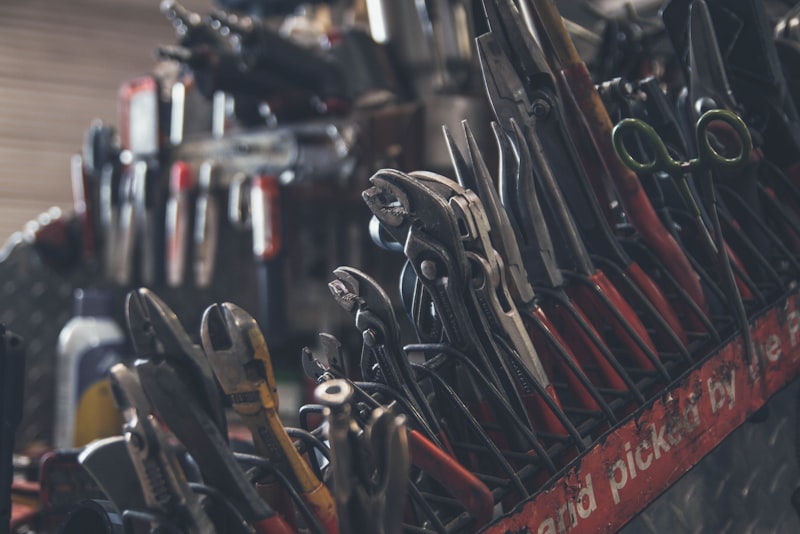
- A multi-tool that adds pliers, screwdrivers, and scissors when a blade alone is not enough.
Either way, basic safety habits matter: keep the edge away from your body when cutting, close folders carefully with fingers clear of the blade path, and keep the tool clean and reasonably sharp, since a dull blade slips and is more dangerous than a sharp one. If local law makes a knife impractical, a non-locking tool or a dedicated scissors-and-screwdriver multi-tool can fill much of the gap.
Matching Gear to Your Routine#
The single biggest mistake beginners make is buying for a life they do not live. Build around your actual day.
- Office worker? A slim wallet, a quiet key organizer, a small light, and a discreet tool likely cover you.
- On your feet or outdoors a lot? A more rugged light with longer runtime and a sturdier blade may earn their keep.
- Commuter? Consider a pen and a compact charging cable over heavier tools.
Walk through a typical week and notice what you reach for and what you wish you had. Let that, not online hype, decide your kit.
Add Slowly and Resist Bulk#
Once the core four feel natural, you can expand, but do it one item at a time. Common next additions include:
- A reliable pen, surprisingly handy and always welcome.
- A small notebook if you think on paper.
- A short charging cable or compact power bank for phone anxiety.
- A handkerchief or small first-aid item for genuine small emergencies.
The discipline is in subtraction. Pockets have limits, and a kit that bulges becomes a kit you stop carrying. Every few weeks, empty your pockets and ask what you actually used. Anything that sits unused is a candidate to leave at home.
Quality, Budget, and Honest Expectations#
You do not need premium gear to start. Reliable, affordable options exist for every core item, and it is wiser to learn your preferences cheaply before investing more. As you upgrade, buy from reputable sellers, and if you shop the pre-owned market for nicer pieces, verify both the item's authenticity and the seller's reputation before paying.
Keep value expectations realistic too. EDC gear is meant to be used, not hoarded as an investment, and most of it depreciates with wear. Buy what serves you, not what you hope to flip later.
The Takeaway#
A strong first EDC kit is small, comfortable, and built around the core four: keys, wallet, light, and a blade or tool. Choose each to match your real routine, respect the safety and legal considerations around blades and batteries, and add new items slowly. Do that, and your pockets carry exactly what your day needs, and nothing it does not.