Your wallet is the one piece of everyday carry you touch dozens of times a day, yet most people choose one almost by accident and live with it for years. The big decision usually comes down to two camps: the slim minimalist wallet and the traditional bifold. Both are good at different things, and the right pick depends far more on how you carry and what you actually use than on which looks trendier.
What Counts as Slim Versus Traditional#
A slim wallet is built around restraint. It typically holds a handful of cards plus a few folded bills, often using elastic bands, machined metal plates, or a single thin leather sleeve. The goal is minimal bulk so the wallet vanishes into a front pocket.
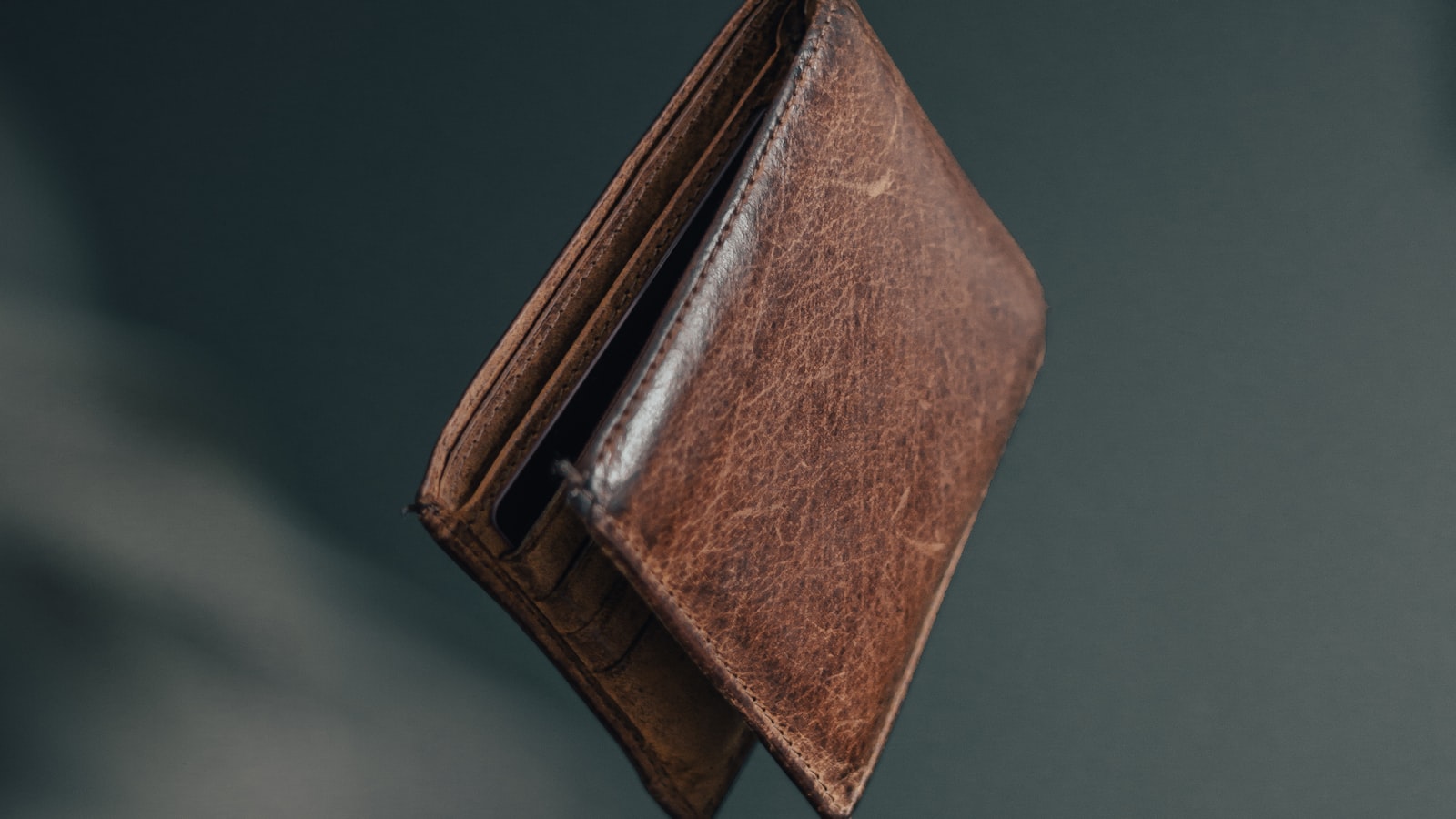
A traditional bifold (or trifold) folds closed around multiple card slots, a full-length bill compartment, and sometimes a clear ID window or coin pocket. It carries more, organizes more, and has been the default for generations because it does a lot of jobs reasonably well.
Neither is objectively better. They are tuned for different priorities: the slim wallet for low profile, the bifold for capacity and organization.
Capacity: How Much Do You Truly Carry#
Be honest about your real load. Many people carry a bifold stuffed with cards they have not touched in months. If you regularly use only three or four cards and some cash, a slim wallet handles that comfortably, often holding four to eight cards plus folded bills.
A traditional bifold makes sense if you genuinely need more:
- Eight or more cards including loyalty, transit, and membership cards
- A dedicated ID window for frequent showing
- Room for receipts, business cards, or a few bills kept flat rather than folded
- A coin compartment if you handle cash often
A practical exercise: empty your current wallet and sort everything into "use weekly," "use occasionally," and "never." Most people can move the last pile out entirely, which often shifts the decision toward slim.
Comfort and Carry Position#
This is where slim wallets shine. A thick bifold in a back pocket forces you to sit on an uneven wedge, which over time is simply uncomfortable and can throw off your posture during long drives or flights. Moving to front-pocket carry with a slim wallet keeps things flatter and is also harder for a pickpocket to reach.
That said, comfort is personal:
- Front-pocket carriers almost always prefer slim, since bulk is immediately noticeable.
- Back-pocket or bag carriers may not feel a bifold's thickness as much, making capacity the bigger factor.
- People who wear tailored or slim-fit clothing usually benefit from a thinner profile that does not print through fabric.
If you tend to carry your wallet in a jacket or bag rather than a pocket, the comfort argument for slim weakens, and a roomier bifold becomes more appealing.
Materials and Durability#
Wallets take constant friction, so material choice drives how well they age.
- Full-grain and top-grain leather are durable and develop an attractive patina over years; full-grain is the most rugged and ages best.
- Machined aluminum or titanium slim wallets resist crushing and weather, though metal edges can wear card finishes over time and some block contactless cards from working.
- Ballistic nylon or other technical fabrics are light, water-resistant, and tough, popular in minimalist and tactical designs.
- Elastic bands, common on slim wallets, are convenient but are the part most likely to loosen or wear out first, so check whether they are replaceable.
A well-made bifold in quality leather can last many years and often outlives several phones. A slim wallet's lifespan depends heavily on its weakest component, so inspect stitching, band tension, and any moving parts before committing.
A Note on RFID Shielding#
Many wallets now advertise RFID or contactless blocking. The real-world risk of card skimming is generally low and modern payment cards already include protections, so treat shielding as a minor convenience rather than a deciding feature. If a wallet you love includes it, fine; it is rarely worth choosing a wallet for that reason alone.
Cash, Cards, and Everyday Habits#
Your habits matter more than any spec. If you live in a place or lifestyle where cash is rare, a slim card-focused wallet fits naturally. If you handle cash and coins daily, a traditional design with a proper bill compartment and coin pocket saves frustration.
Consider also how you pay:
- If your phone or watch covers most payments, you may need only an ID and a backup card, which points firmly toward slim.
- If you juggle several physical cards throughout the day, the faster access of multiple labeled slots in a bifold can genuinely save time.
There is also a middle path worth knowing about: slim bifolds and money clip wallets that trim a traditional layout down without going fully minimalist. These keep some organization while shedding bulk, and they suit people torn between the two camps.
Making the Choice#
Start with what you carry, not with the wallet. Pare down to essentials, decide where on your body the wallet usually lives, and weigh comfort against the convenience of extra slots. If you carry little and value a flat front pocket, go slim. If you need capacity, organization, or frequent cash access, a traditional bifold still earns its place.
Whatever you pick, buy quality construction over flashy branding. A wallet endures more daily wear than almost anything else you own, and a few extra considerations up front, stitching, materials, and honest capacity, pay off across the years you will carry it. The best wallet is simply the one you stop thinking about because it quietly does its job.